|
||
| Sulphuric Acid on the WebTM | Technical Manual | DKL Engineering, Inc. |
Knowledge for the
Sulphuric Acid Industry

Sulphuric Acid on the Web
Introduction
General
Equipment Suppliers
Contractor
Instrumentation
Industry News
Maintenance
Acid
Traders
Organizations
Fabricators
Conferences
Used
Plants
Intellectual
Propoerty
Acid
Plant Database
Market
Information
Library
Technical Manual
Introduction
General
Definitions
Instrumentation
Plant Safety
Metallurgial
Processes
Metallurgical
Sulphur Burning
Acid Regeneration
Lead Chamber
Technology
Gas Cleaning
Contact
Strong Acid
Acid Storage
Loading/Unloading
Transportation
Sulphur
Systems
Liquid SO2
Boiler Feed Water
Steam Systems
Cooling Water
Effluent Treatment
Utilities
Construction
Maintenance
Inspection
Analytical Procedures
Materials of Construction
Corrosion
Properties
Vendor Data
DKL Engineering, Inc.
Handbook of Sulphuric Acid Manufacturing
Order
Form
Preface
Contents
Feedback
Sulphuric Acid
Decolourization
Order Form
Preface
Table of Contents
Process Engineering Data Sheets - PEDS
Order
Form
Table of Contents
Introduction
Bibliography of Sulphuric Acid Technology
Order Form
Preface
Contents


Acid Plant Database October12, 2021
| Owner | Ravensthorpe Nickel Operations Pty Ltd |  |
| Location |
Ravensthorpe, Western Australia |
|
| Background |
Formerly a wholly-owned subsidiary of BHP Billiton
www.bhpbilliton.com 2009 - Acquired by First Quantum Minerals Ltd. |
|
| Website | www.first-quantum.com | |
| Plant | - | |
| Coordinates* | 33° 38' 39" S, 120° 23' 52" E | |
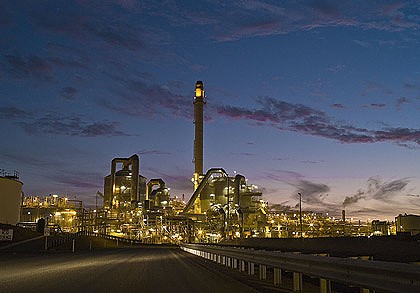
| Type of Plant | Sulphur Burning | |
| Gas Source | Elemental Sulphur | |
| Plant Capacity | 4400 MTPD | |
| SA/DA | 3/1 DA | |
| Status |
2009 - Operation suspended 2011 - Operations resumed |
|
| Year Built | 2007 | |
| Technology | Aker Kvaerner Chemetics | |
| Contractor | Monadelphous www.monadelphous.com.au | |
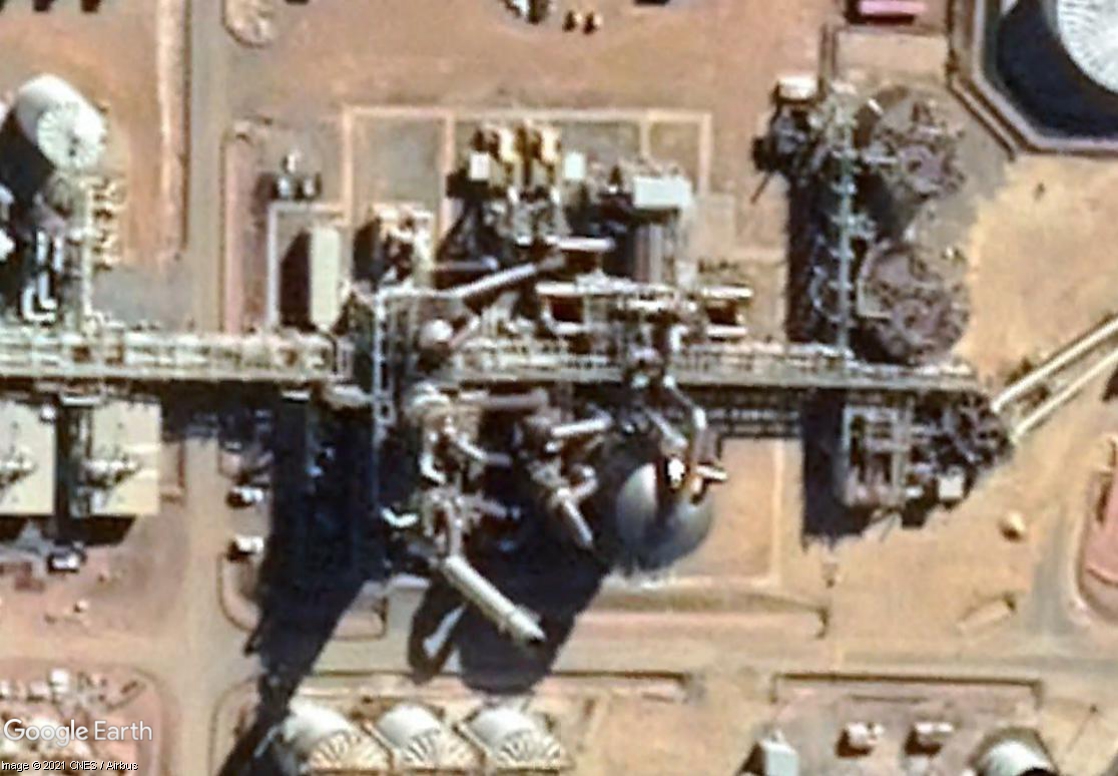
| Remarks | Single
train acid plant - dual firetube boilers (60 barg, 500oC) - gas/gas heat exchanger and superheater internal to converter - hot water heat recovery for desalination and power plants |
|
| Pictures |
 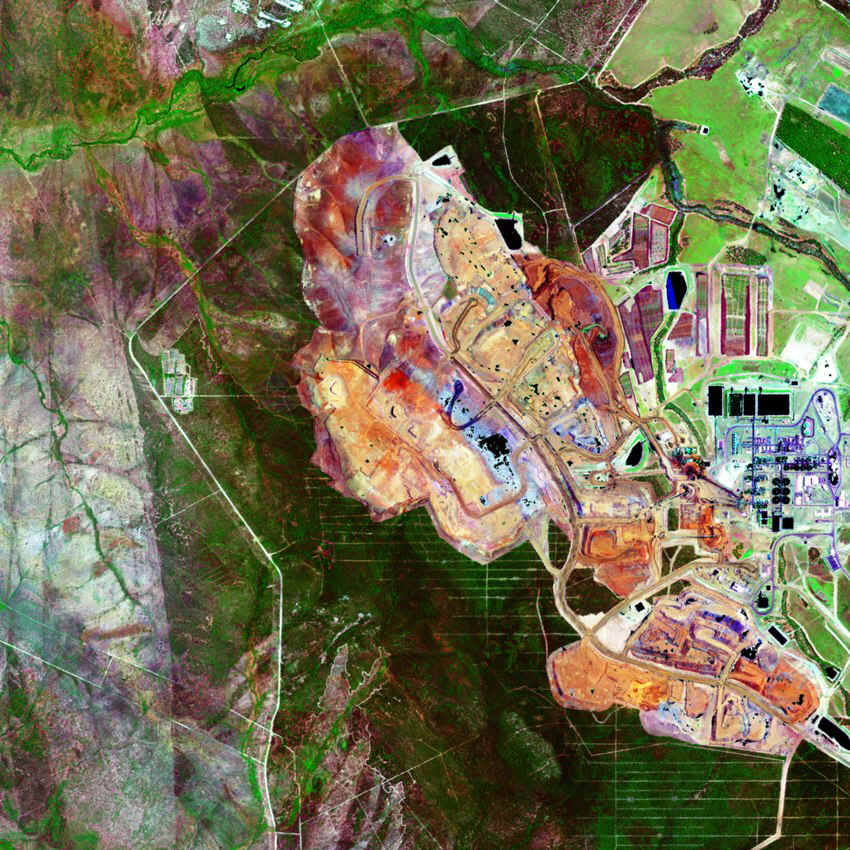
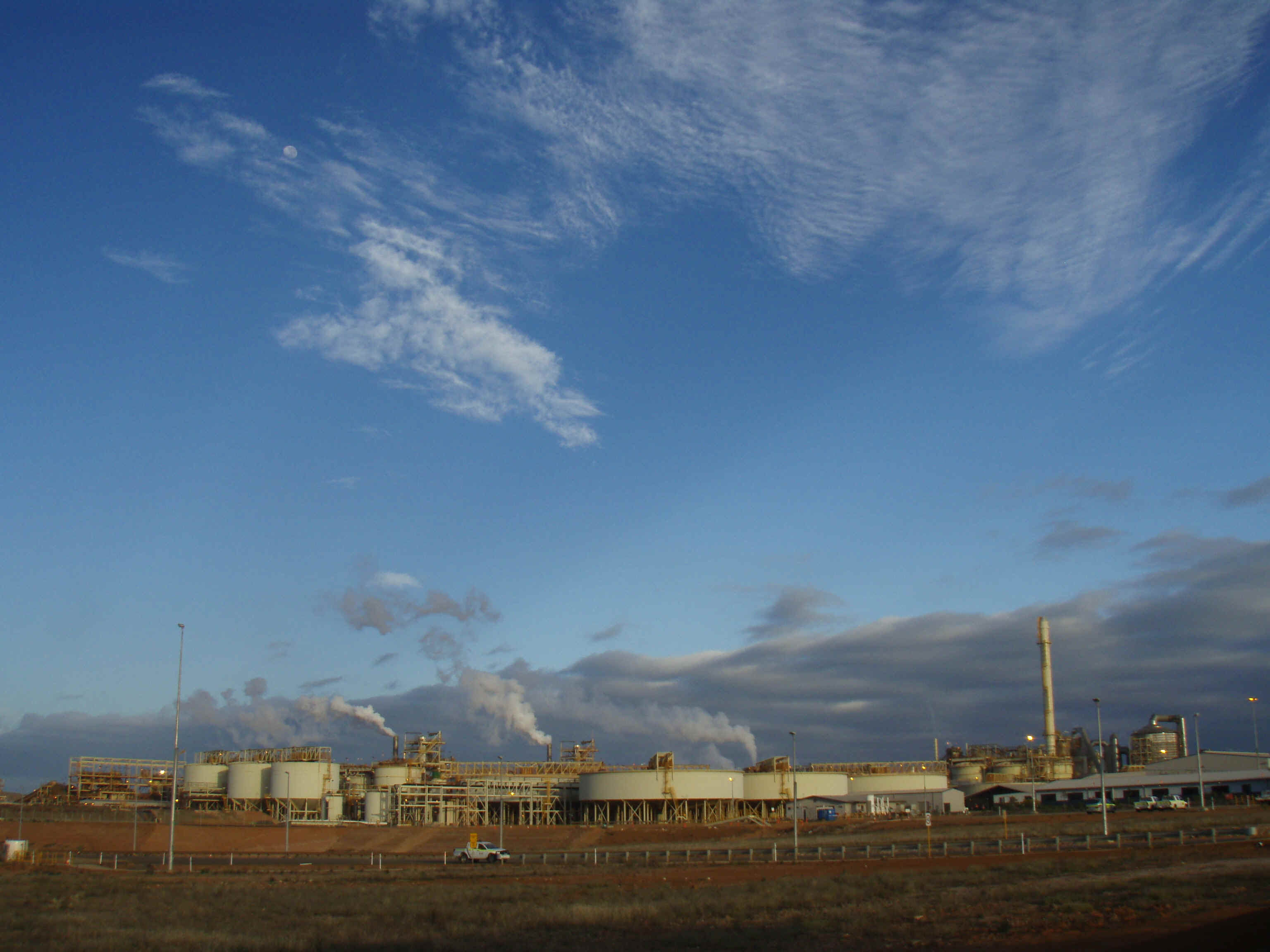 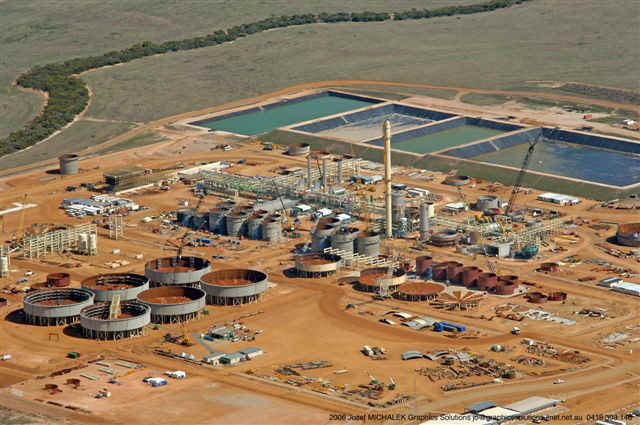
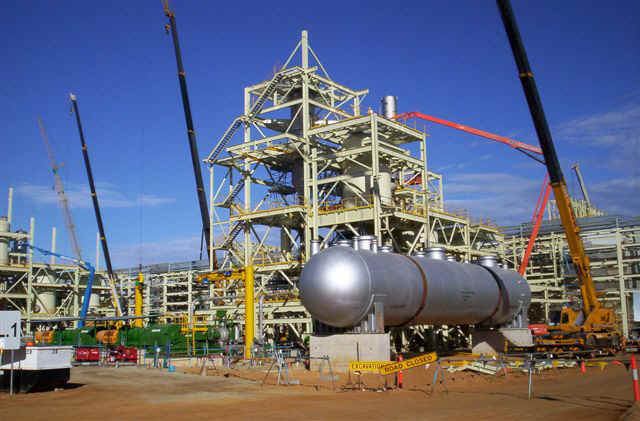
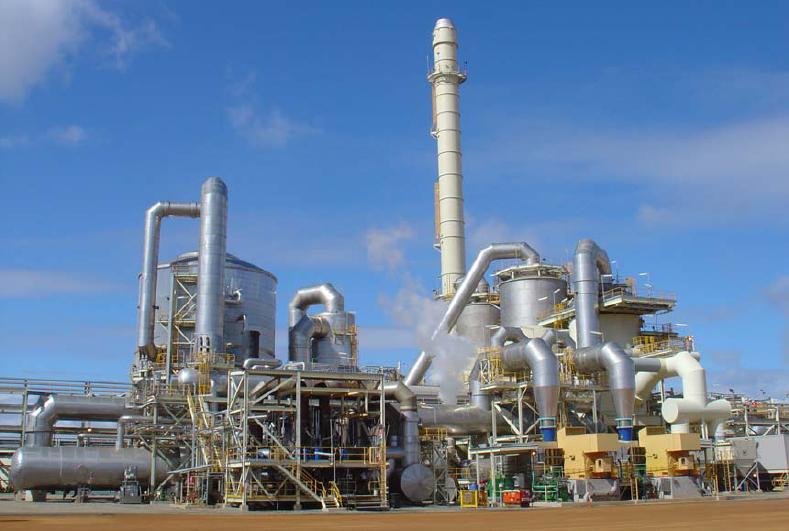 |
|
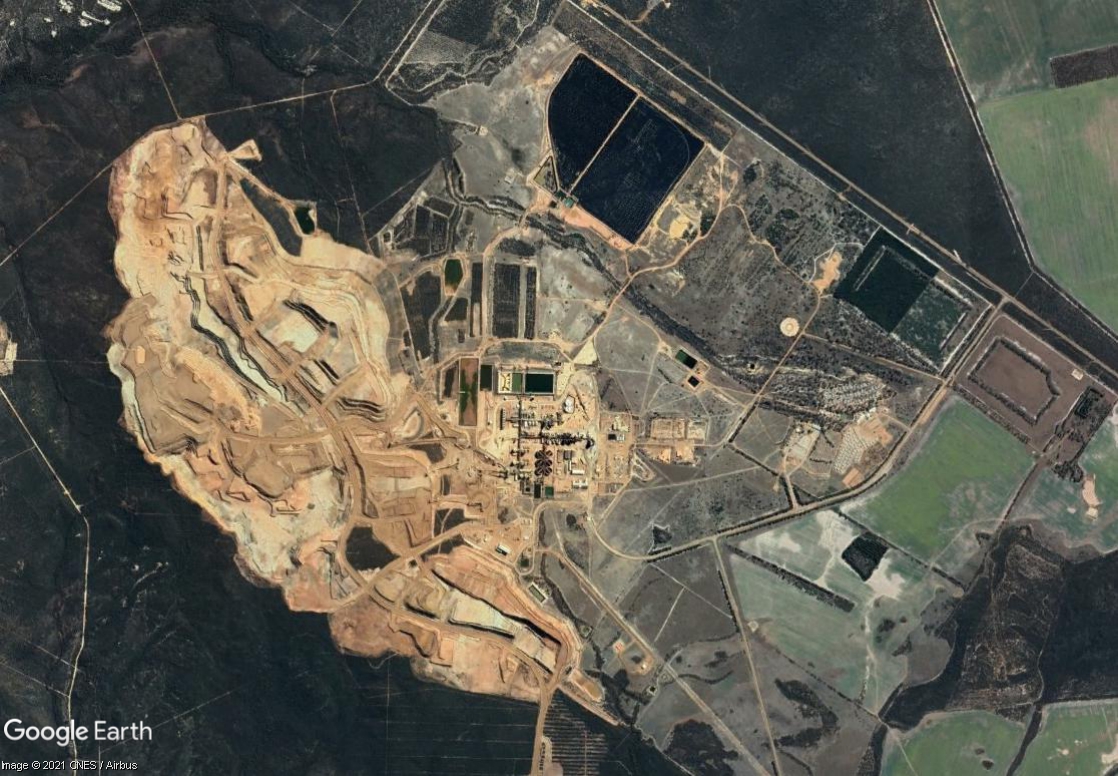
| General | The Ravensthorpe's open cut mine will produce up to 220,000 tonnes per annum of mixed nickel and cobalt hydroxide – containing 50,000 tonnes of nickel and 1400 tonnes of cobalt – to be shipped through the Port of Esperance to Queensland for refining. | |
| References | - | |
| News |
August 9, 2017
- Canadian mining giant First Quantum Minerals has announced it will
mothball its Ravensthorpe nickel operations in WA's south-east from early
next month because of low nickel prices. The Toronto-based company
employs about 270 people at the Ravensthorpe mine and the closure will hit
the community hard only months after devastating floods ripped through the
region. First Quantum said it would cost about $10 million to enter
care and maintenance, which should be in effect by early October. The
annual bill of maintaining the site is estimated at $5 million. In a
statement, First Quantum's chief executive Philip Pascall described the
decision as "disappointing". "Ravensthorpe is an excellent operation
with an outstanding workforce and supportive community but the continuing
depressed nickel market conditions, over some years, leaves us no option,"
he said. "Over the next few weeks we will work closely with our
employees and key contractors to mitigate the impact and manage carefully
the staged shutdown of operations. "We will be offering assistance to
employees in seeking further employment opportunities." However, there
is some hope for the mine, with First Quantum saying it would continue to
progress the permitting process at the Shoemaker Levy orebody, along with
regular review of the market conditions for a potential restart of
operations. To restart operations, should favourable conditions
prevail, is estimated at $10 million. The closure comes just weeks
after First Quantum posted back-to-back quarterly losses. The company
reported a $US18 million loss for the June quarter, following a $US29
million loss in the March quarter. March 12, 2016 - First Quantum Minerals has played down a renewed round of speculation it is preparing to mothball its struggling Ravensthorpe nickel mine, saying it needs to keep it operating to deliver into hedged production. Ravensthorpe’s 300-strong workforce has been preparing for the worst amid talk First Quantum has quit buying critical raw materials needed to keep Ravensthorpe’s massive processing plant running. Multiple sources toldWestBusiness last week Ravensthorpe had not taken delivery of its March shipment of sulphur, heightening concern the nickel operation is running down its stockpiles ahead of a potential closure of the operation. It is understood Ravensthorpe has enough sulphur stockpiled to keep its main high pressure acid leach plant running for at least six weeks, and sources suggest there is enough time for delivery of new supplies if the decision is to continue to operate Ravensthorpe beyond that. A spokesman for the company said yesterday the deferral of the sulphur delivery was due to a planned maintenance shutdown in April. “Ravensthorpe has a major shutdown in April as part of our ongoing and long-term maintenance program on the High Pressure Leach circuit, therefore, as we do every year, we manage our working capital efficiently, particularly big cost items like sulphur,” he said. “The nickel price has improved during March, so we’ve hedged future production, which can only be delivered from Ravensthorpe now that we have announced the sale of our only other nickel producing mine.” December 15, 2014 - Canada's First Quantum Minerals has shut its 38,000-tonnes-per-year Ravensthorpe nickel plant in Australia following an acid spill, which is under investigation. The rupture of a one of several tanks containing sulphuric acid used to leach nickel late on Sunday caused an undetermined amount of the hazardous slurry to spill into a contained area of the plant 550 kilometres (340 miles) southeast of Perth in Western Australia state, company spokesman Dave Coggin said. Coggin could not immediately say if a declaration of force majeure would be invoked protecting First Quantum from interruptions to sales obligations. "The spill resulting from the failure has been contained within the plant's protective bunded area," Coggin said, adding that there were no reports of injuries, with all staff accounted for. Sulphuric acid for the leaching process is produced on site. "The plant is currently shut down and on the basis of information received to date, no adverse environmental effects are anticipated," he said. While all staff have remained on site, no date has been set for a restart, pending the findings of the investigation, according to the spokesman. First Quantum acquired the Ravensthorpe nickel project from BHP Billiton in 2009 and following extensive rehabilitation restarted the operation in 2011. This year, the facility was set to meet it full production target of 38,000 tonnes, according to the spokesman. LME nickel prices were up 0.3 percent on Monday. Any market impact in metals markets from the shutdown is likely to be muted in the short term given a global supply glut of the metal, used mainly in making stainless steel. Near-record inventories of more than 400,000 tonnes are stacked in London Metal Exchange warehouses. BHP continues to produce nickel at an annual rate of close to 100,000 tonnes at its nearby Nickel West operation. Glencore also operates a nickel-making plant in Western Australia, churning out more than 30,000 tonnes a year. Raw nickel produced at the Ravensthorpe site is bought primarily by metals refining companies in China and India.
October 7, 2011 - First Quantum Minerals Ltd said nickel
production is set to resume by the end of 2011 from
February 10, 2010 - First Quantum Minerals Ltd. announced the
finalization of the acquisition of the Ravensthorpe Nickel Operation in
Western Australia following the receipt of the relevant Government
approvals. The acquisition will take effect on February 10, 2010. The
Company is planning to spend the next 12 months constructing two crushing
plants in the modification of the crushing, conveying, stockpile and reclaim
areas of the plant. This is expected to be followed by approximately six
months of commissioning and ramp-up. The capital requirement for the
modification is estimated at approximately US$150 million, depending on
currency exchange rates. December 9, 2009
- Quantum Minerals will spend about $120-million in capital expenditure
(capex) to bring the Ravensthorpe nickel operation in Western Australia back
into production and to ramp up the operation’s production. Chairperson
and CEO Philip Pascall said in a conference call that the company had made
provision to spend about $140-million on the project, thus allowing it to
have $20-million of contingency funding available for the project. BHP
Billiton, which had shut down the Ravensthorpe mine in early January owing
to low nickel prices, which it said made the operation unprofitable, on
Tuesday announced that it would sell the operation to First Quantum for
$340-million. Ravensthorpe is an open pit mine and hydrometallurgical
process plant used to recover nickel and cobalt to produce a mixed nickel
cobalt hydroxide intermediate product. January 29, 2009 January 21, 2009 - BHP
Billiton announced that it will immediately commence the safe ramp down and
indefinite suspension of the Ravensthorpe Nickel Operation (Australia). |
|
MTPD - Metric Tonne per Day
STPD - Short Ton per Day
MTPA - Metric Tonne per Annum STPA - Short Ton per
Annum
SA - Single Absorption
DA - Double Absorption
* Coordinates can be used to
locate plant on Google Earth

