|
||
| Sulphuric Acid on the WebTM | Technical Manual | DKL Engineering, Inc. |
Knowledge for the
Sulphuric Acid Industry

Sulphuric Acid on the Web
Introduction
General
Equipment Suppliers
Contractor
Instrumentation
Industry News
Maintenance
Acid
Traders
Organizations
Fabricators
Conferences
Used
Plants
Intellectual
Propoerty
Acid
Plant Database
Market
Information
Library
Technical Manual
Introduction
General
Definitions
Instrumentation
Plant Safety
Metallurgial
Processes
Metallurgical
Sulphur Burning
Acid Regeneration
Lead Chamber
Technology
Gas Cleaning
Contact
Strong Acid
Acid Storage
Loading/Unloading
Transportation
Sulphur
Systems
Liquid SO2
Boiler Feed Water
Steam Systems
Cooling Water
Effluent Treatment
Utilities
Construction
Maintenance
Inspection
Analytical Procedures
Materials of Construction
Corrosion
Properties
Vendor Data
DKL Engineering, Inc.
Handbook of Sulphuric Acid Manufacturing
Order
Form
Preface
Contents
Feedback
Sulphuric Acid
Decolourization
Order Form
Preface
Table of Contents
Process Engineering Data Sheets - PEDS
Order
Form
Table of Contents
Introduction
Bibliography of Sulphuric Acid Technology
Order Form
Preface
Contents


Acid Plant Database April 26, 2026
| Owner | Apatit |
|
||||
| Location |
Cherepovets Vologda Region 162622 Russia |
|||||
| Background | Part of Phosagro Holding Company | |||||
| Website | www.phosagro.com | |||||
| Plant | Plant No. 1 | Plant No. 2 | Plant No. 3 | Plant No. 4 | Plant No. 5 | |
| Coordinates* | 59° 10' 45" N, 37° 42' 11" E | 59° 10' 43" N, 37° 42' 19" E | 59° 10' 43" N, 37° 42' 23" E | 59° 10' 43" N, 37° 42' 26" E | 59° 10' 43" N, 37° 42' 30" E | |
| Type of Plant | - | - | - | - | - | |
| Gas Source | - | - | - | - | - | |
| Plant Capacity | - | - | - | - | - | |
| SA/DA | - | - | - | - | - | |
| Status | - | - | - | Dismantled | Dismantled | |
| Year Built | - | - | - | - | - | |
| Technology | - | - | - | - | - | |
| Contractor | - | - | - | - | - | |
| Remarks | - | - | - | - | - | |
| Pictures |
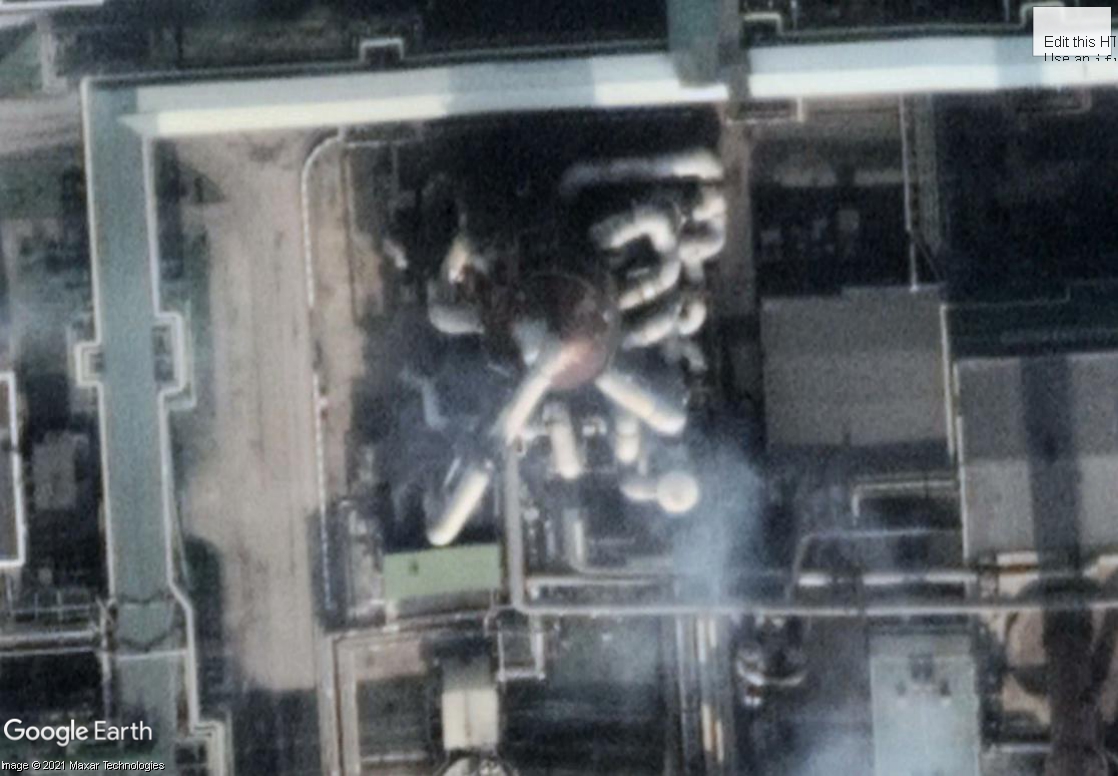 |
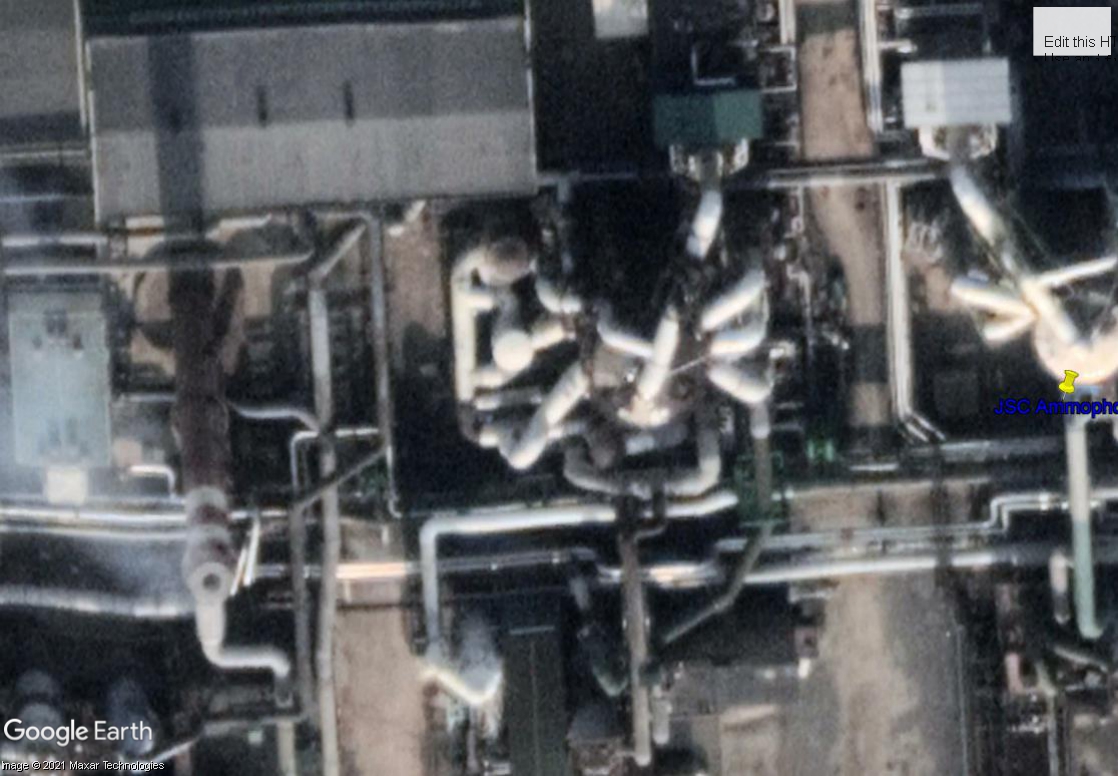 |
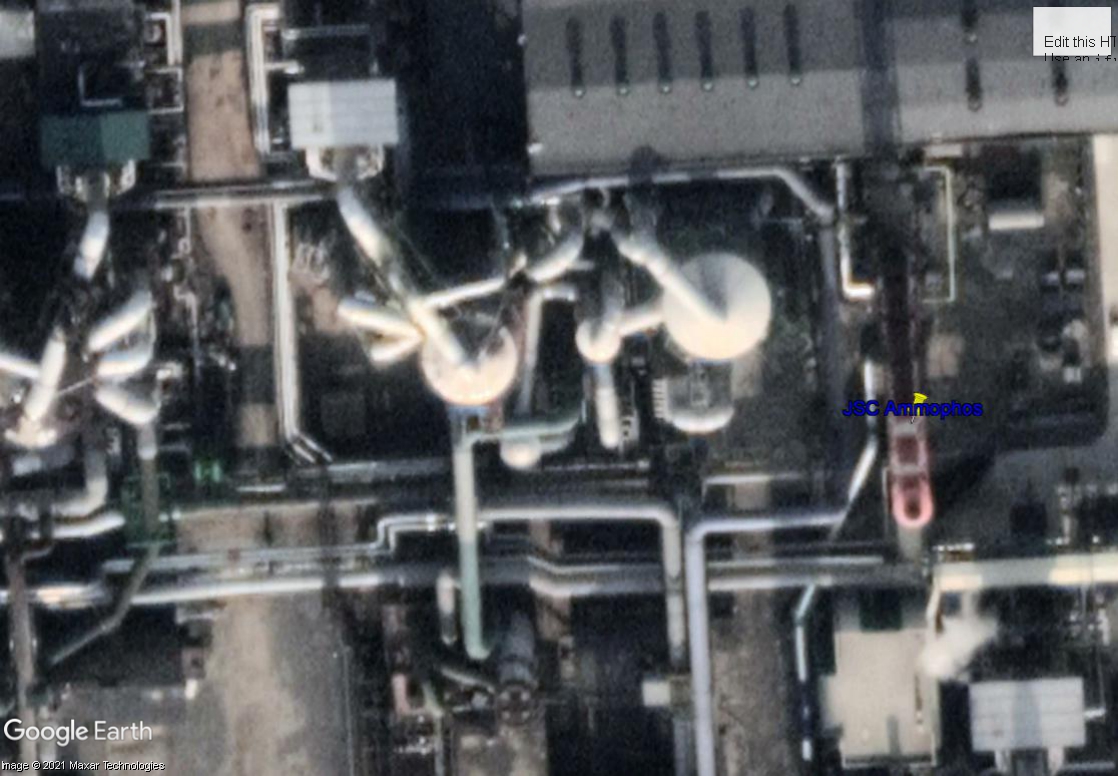 |
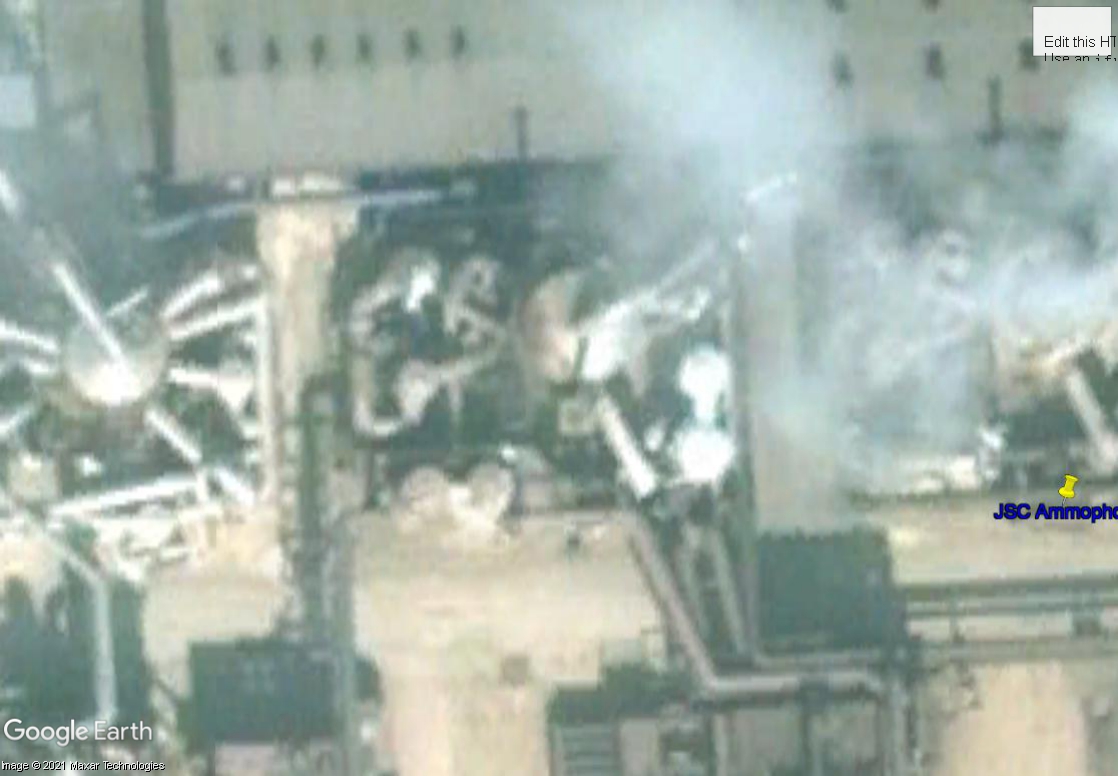 |
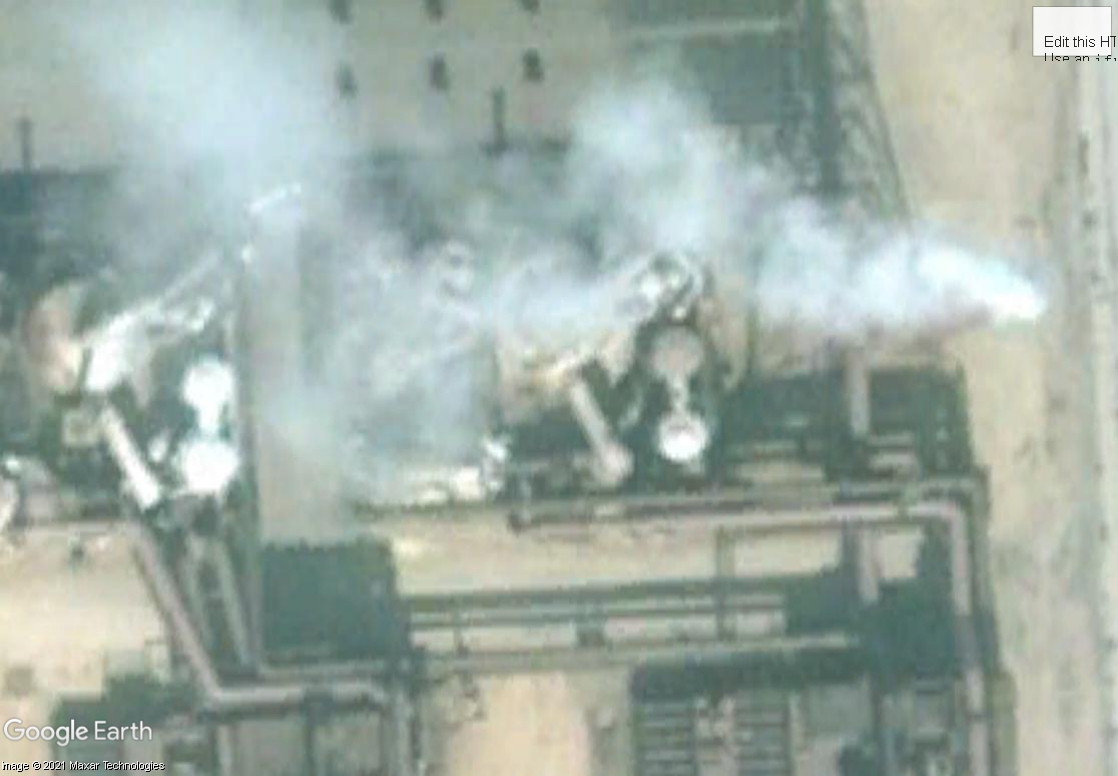 |
|
| Plant | Plant No. 6 | SK1100 - Plant No. 7 | ||||
| Coordinates* | 59° 10' 37" N, 37° 42' 15" E | 59° 10' 40" N, 37° 42' 27" E | ||||
| Type of Plant | - | Sulphur Burning | ||||
| Gas Source | - | Elemental Sulphur | ||||
| Plant Capacity | - | 3300 MTPD | ||||
| SA/DA | - | DA | ||||
| Status | - | Operating | ||||
| Year Built | - | 2020 | ||||
| Technology | - | NIUIF | ||||
| Contractor | - | - | ||||
| Remarks | - | Total Investment: RUB 10.6 billion | ||||
| Pictures |
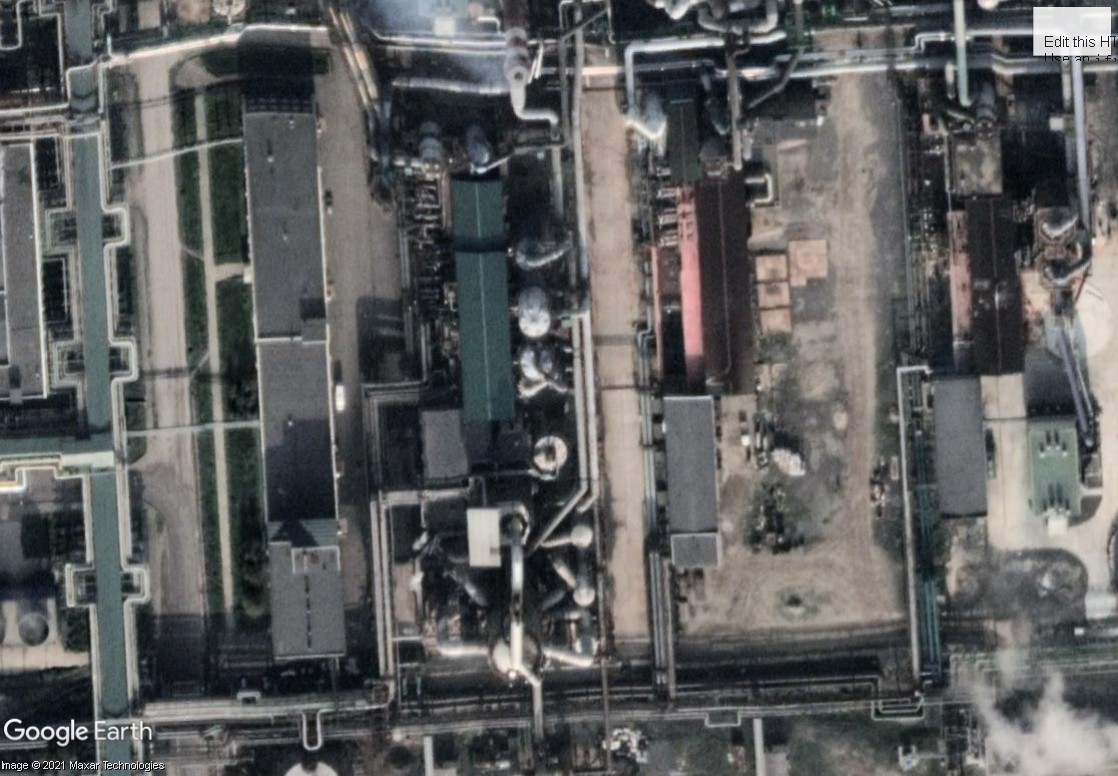 |
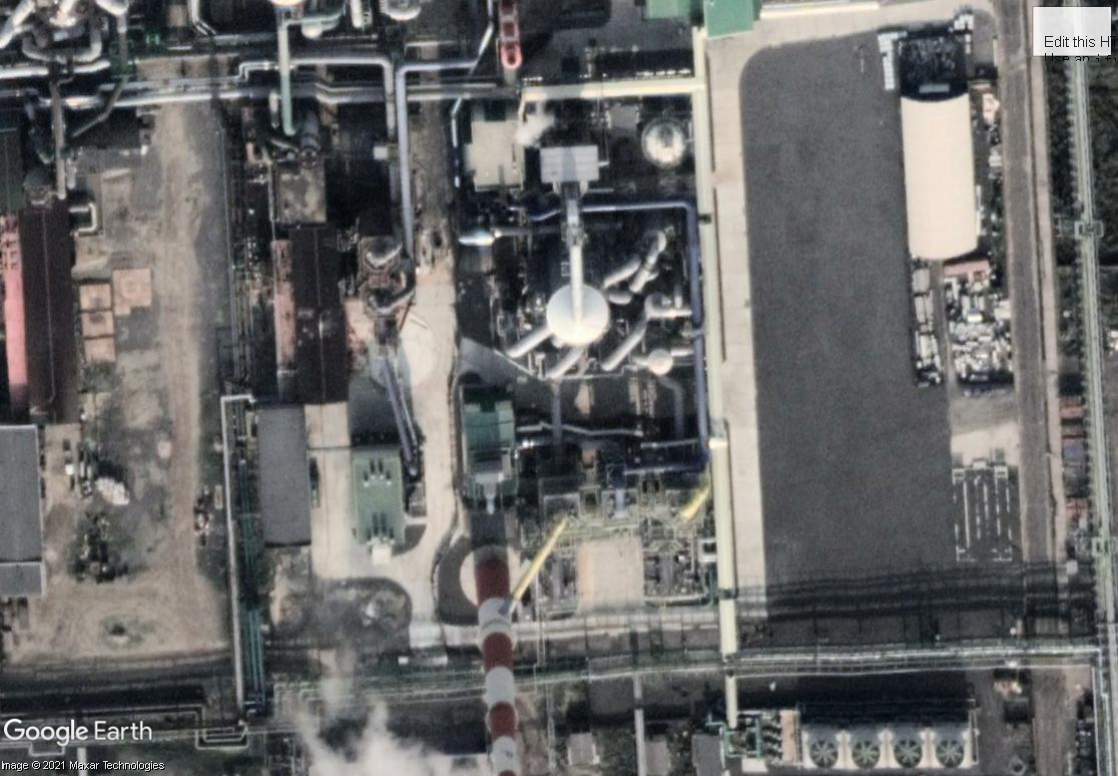 |
||||
| Pictures | 2008 -
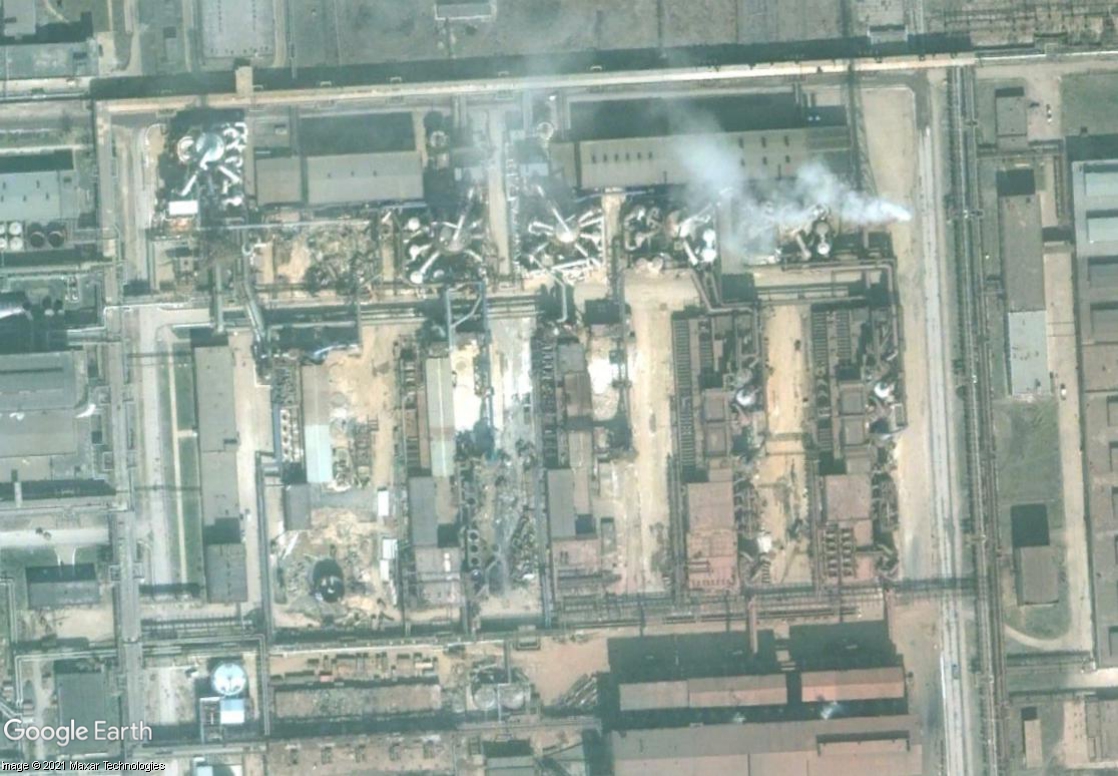 2014 - 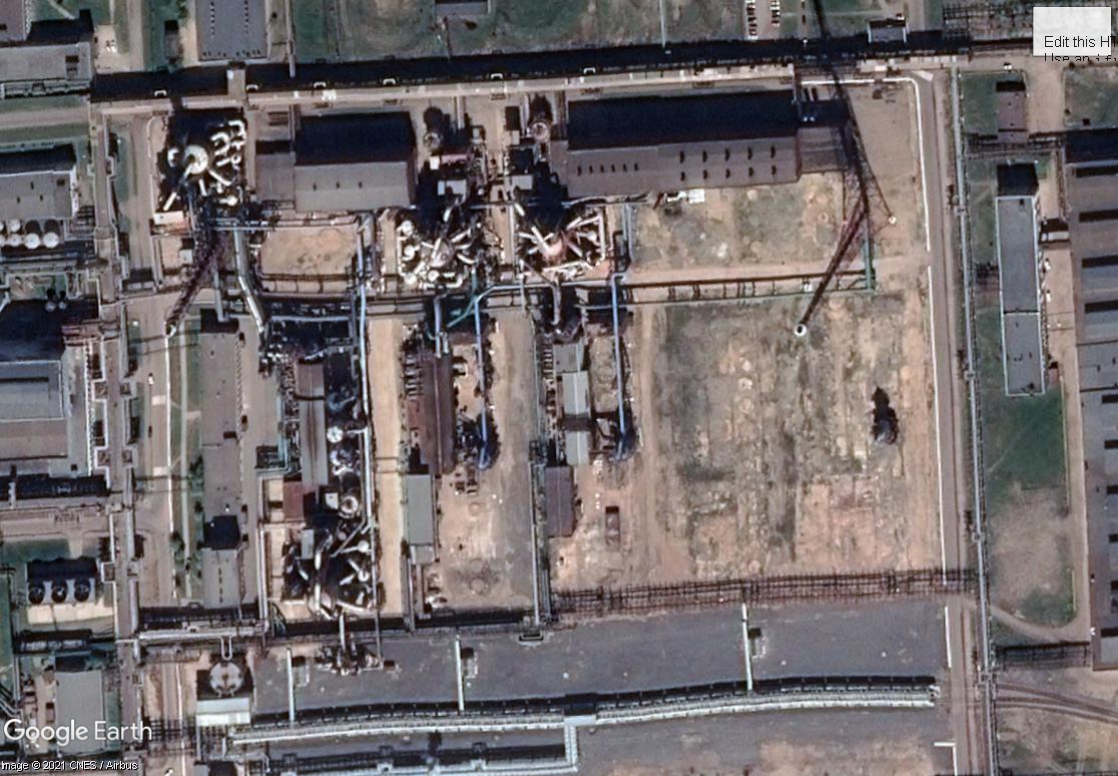 2020 - 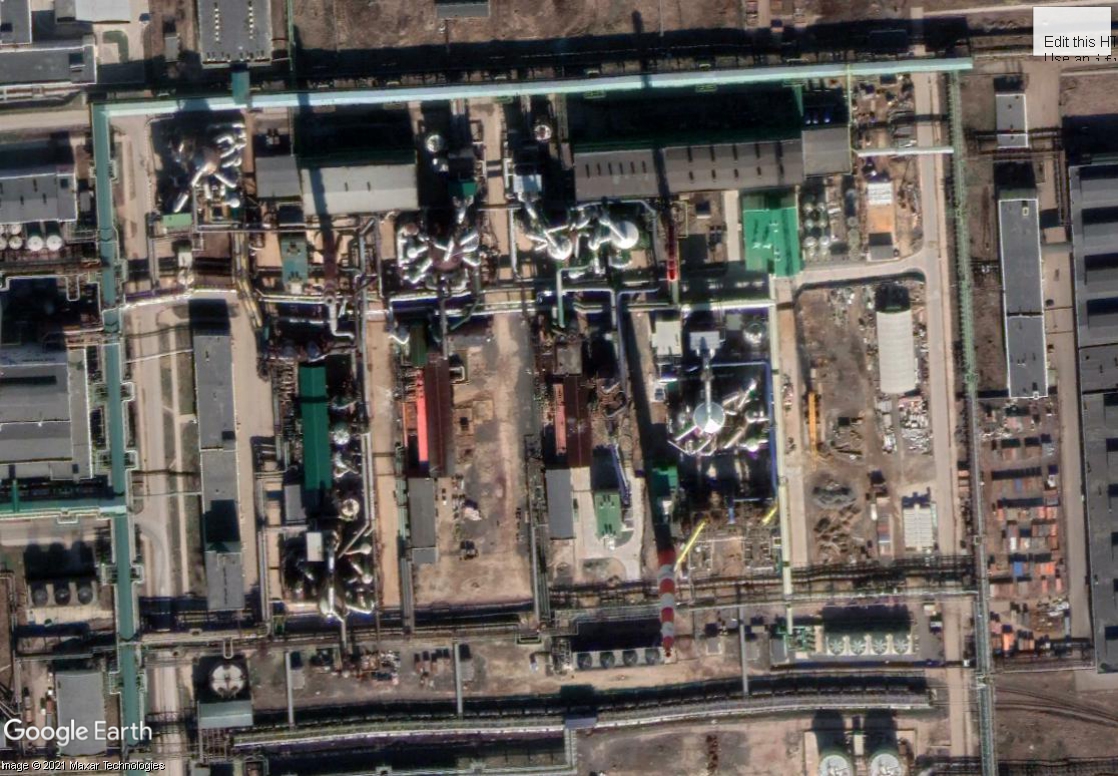 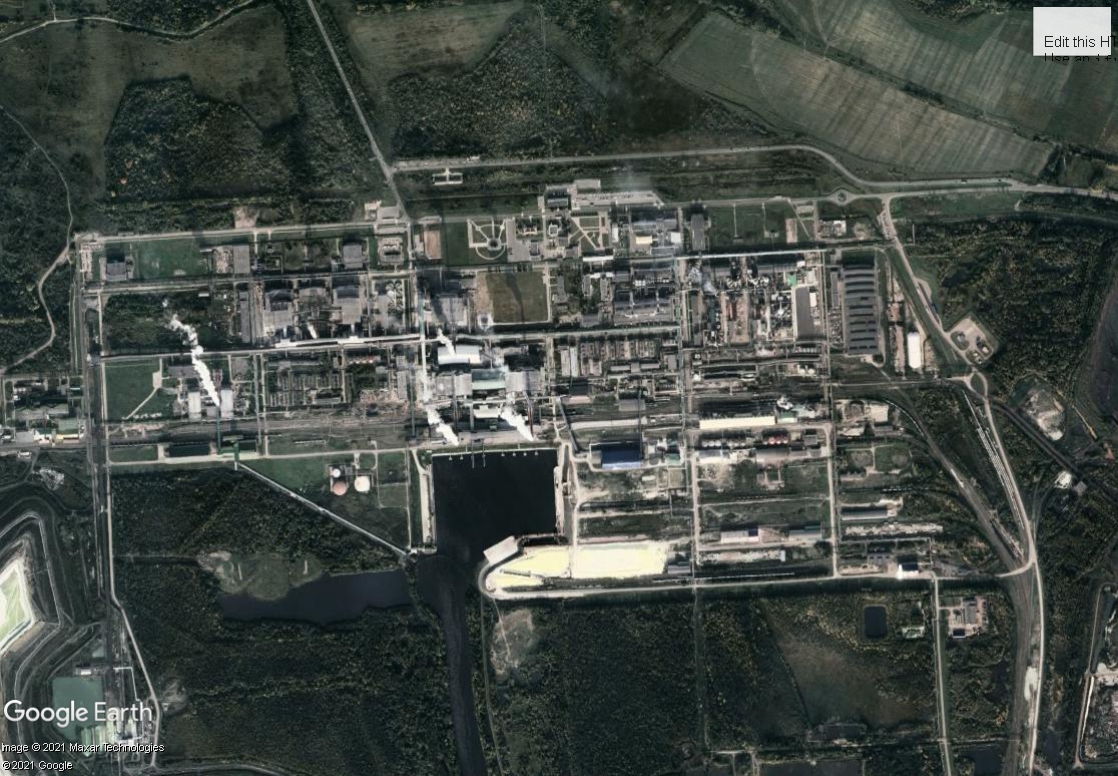 |
|||||
| General |
The PhosAgro holding company was established along with the PhosAgro AG
management company, which assumed the management of current production
and business activities and developed the production capacities of
recently acquired Apatit, Voskresensk Mineral Fertilisers and Balakovo
Mineral Fertilisers.
PhosAgro is a Russian vertically integrated company and one of the world’s leading producers of phosphate-based fertilisers. Its core line of business is the production of phosphate-based fertilisers, high-grade phosphate rock (P2O5>35.7%), and also feed phosphates, nitrogen fertilisers and ammonia. PhosAgro’s primary assets include Apatit, PhosAgro-Cherepovets (established as a result of the merger of Ammophos and Cherepovetsky Azot), Agro-Cherepovets, Balakovo branch of OJSC Apatit, Metachem, PhosAgro-Trans, PhosAgro-Region and NIUIF. The Company is Europe’s largest producer of phosphate-based fertilisers, the world’s largest producer of high-grade phosphate rock and the world’s second largest producer (excluding China) of MAP and DAP (according to Fertecon), Russia’s only producer of feed monocalcium phosphate (MCP), and also the sole producer of nepheline concentrate in Russia. The arrangement of pollution-free production of sulphuric acid is based on shifting the production systems to “short sulphur scheme” with intensification of sulphuric acid production process due to increase of concentration of sulphur dioxide in the production gas from 8.5 to 12.0%. Due to this technology, after accomplishment of reconstruction of the production lines (in 2007), generation of slag in sulphuric acid production will be stopped at the plant. As a result, the sludge accumulators will be gradually withdrawn from operation taking into account discharge of accumulated waste and thus the pollution source will be eliminated. In the course of reconstruction in June of 2003 and in September of 2004, two new installations on production of sulphuric acid from lumpy and granulated sulphur were put into operation, resulting in reduction of generation for 220 thousand tons. Annual shipping of more than 400 tons of pyrite cinder for the needs of cement industry and reconstruction of sulphuric acid production will make it possible to considerably improve the environment due to cessation of generation of pyrite cinders. In 2003, the Group launched the first of the four new sulphuric acid production lines at Ammophos. 2004 - 2nd sulphuric acid plant built 2007 - 3rd sulphuric acid plant built In 2009, as part of the modernisation programme, the last of the four new sulphuric acid production lines at Ammophos became operational, which made Ammophos the largest sulphuric acid production facility in Europe, according to the European Commission. In the fourth quarter of 2018, the Group commissioned an upgraded SK-600/3 sulphuric acid production unit and a terminal for storing raw materials with a capacity of - 163 - 30 thousand tonnes at Cherepovets. The production capacity of the SK-600/3 unit increased from 680 thousand tonnes to 1 million tonnes of sulphuric acid per year. Given the current market shortage of sulphuric acid (which is one of the key components for fertiliser production). The enterprise is expected to ensure the Group's selfsufficiency in sulphuric acid supplies and thus reduce its dependence on external suppliers. The total capital expenditure relating to this project amounted to approximately 2.1 billion roubles. In the end of 2019, the Group completed construction of a new sulphuric acid plant SK1100 at Cherepovets with a capacity of 3.3 tonnes per day (1,100 thousand tonnes per year) which was launched in 2017 ("Cherepovets Sulphuric Acid Plant"). Cherepovets Sulphuric Acid Plant is expected to start its operations in the first quarter of 2020. The launch of Cherepovets Sulphuric Acid Plant is expected to reduce the Group's need for the purchase of sulfuric acid in the market and increase feedstock production of sulphuric acid from 3.3 million tonnes in 2019 (representing 87 per cent. of the Group's sufficiency in sulphuric acid) to 4.2 million tonnes in 2020 (increasing the Group's sufficiency in sulphuric acid to 100 per cent.) and further to 4.3 million tonnes in 2021. Total investments in the project, which the Group will finance with own funds, is estimated at RUB 10.6 billion, 70 per cent. of which was spent as of 30 September 2019. 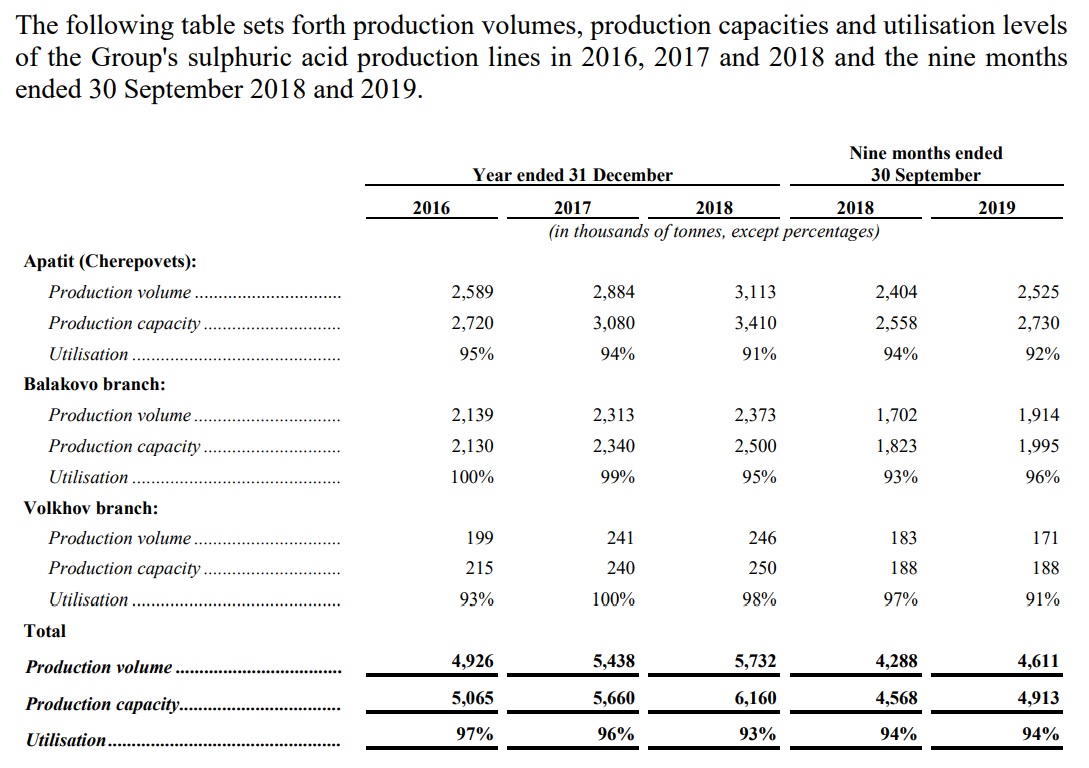 |
|||||
| References | - | |||||
| News |
April 26, 2026 - Drones struck a high-pressure pipeline
at one of Russia’s largest chemical enterprises, the Apatit plant in the
city of Cherepovets in the Vologda region, on April 26, targeting a key
facility linked to the country’s industrial and defense sectors.
According to Vologda region governor Georgy Filimonov, the
attack targeted infrastructure within the “Ammonia-3” nitrogen complex
at the Apatit facility, including a pipeline carrying sulfuric acid.
Filimonov stated that multiple drones were involved in the attack and
claimed that Russian air defenses had intercepted several of them.
According to Filimonov’s official statement, at least five people were
injured in the incident. The victims reportedly sustained chemical burns
from sulfuric acid exposure and were hospitalized. Emergency services
deployed multiple ambulances to the site, and additional medical
resources were mobilized in Cherepovets. The strike damaged
a high-pressure pipeline within the industrial site. Regional
authorities stated that no fire broke out and that no dangerous
concentrations of hazardous substances were detected in the air
following the incident. Damage assessments are ongoing. Apatit,
part of the PhosAgro group, is one of Russia’s largest producers
of phosphate-based fertilizers and a major supplier of raw materials
used in industrial and defense-related production. The Cherepovets
facility processes apatite concentrate into products including NPK
fertilizers, ammonium nitrate, and urea. The plant has an annual
production capacity exceeding 8.2 million tons and accounts for
approximately 10% of Russia’s total ammonia output. Ammonium nitrate,
produced at the site, is a key component in the manufacture
of industrial explosives and propellants. The facility is located more
than 1,000 kilometers from Ukraine. At the same time, overnight
on April 25–26, long-range drones struck the Slavneft-YANOS oil refinery
in the Russian city of Yaroslavl, sparking a large fire at one of the
country’s key fuel production facilities.
March 27, 2026 - Russian forces accidentally struck one of their own biggest industrial plants overnight on March 26–27 while defending against a Ukrainian drone attack, online analysts have reported. The JSC Apatit plant in the city of Cherepovets, in Russia’s northwestern Vologda region and almost 1,000 kilometers from Ukraine, is Europe’s biggest producer of phosphate-based fertilizers. It was hit by at least eight Ukrainian drones on Tuesday night, the regional governor said on the Telegram app. Photos and videos posted online by locals and verified by Ukrainian monitoring channel Exilenova+ showed fires and explosions at the site, which also produces phosphoric and sulfuric acid and has a total output capacity of 7.5 million tons a year. As part of an air-defense effort, a stray Russian missile hit the Apatit plant, according to footage posted to the X platform by an American activist of Ukrainian descent. Having targeted Russia’s energy infrastructure, particularly the oil sector, Ukrainian forces have recently shifted their emphasis to other industries. During Thursday night’s aerial assault on Cherepovets, the Severstal steel and mining company was also hit, resulting in a fire at the plant’s furnace, Exilenova+ reported on Friday morning. On March 11, Ukrainian forces struck a chemicals plant in the southern Russian city of Tolyatti after three air strikes on chemicals facilities in February. The war in Iran has sparked a fertilizer shortage in Russia, the Moscow Times newspaper reported, with prices spiking by as much as 30% and leading Russia to implement restrictions on exports to maintain supply. November 1, 2017 - PhosAgro one of the world’s leading vertically integrated producers of phosphate-based fertilizer and high-grade phosphate rock, announces the completion of the merger of JSC PhosAgro-Cherepovets into JSC Apatit (Cherepovets). As of today, 1 November 2017, JSC PhosAgro-Cherepovets ceases its activities as a legal entity. All property, obligations and rights under contracts, and income from the sale of goods are now the property of JSC Apatit. On 2 June 2017, JSC Apatit was re-registered in Cherepovets in the Vologda region from the city of Kirovsk in the Murmansk region, where the Kirov branch of JSC Apatit was established. PhosAgro CEO Andrey Guryev said: "We believe that the merger should contribute to further improving efficiency and the competitiveness of our products, as well as to PhosAgro’s busienss as a whole.” The merger does not entail significant changes in the structure of tax payments to the budgets of the Murmansk and Vologda regions, where JSC Apatit and JSC PhosAgro-Cherepovets are among the largest taxpayers. Optimisation of production personnel at both sites in connection with the reorganisation is not planned, and all social obligations will be fulfilled as before. After evaluating the functioning of the merged entity, PhosAgro may consider merging JSC Metakhim with JSC Apatit, thus completing the merger of the Company’s production assets into one legal entity. The transition to a single entity for the Company’s production assets and PJSC PhosAgro is currently not being considered. |
|||||
MTPD - Metric Tonne per Day
STPD - Short Ton per Day
MTPA - Metric Tonne per Annum STPA - Short Ton per
Annum
SA - Single Absorption
DA - Double Absorption
* Coordinates can be used to
locate plant on Google Earth