|
||
| Sulphuric Acid on the WebTM | Technical Manual | DKL Engineering, Inc. |
Knowledge for the
Sulphuric Acid Industry

Sulphuric Acid on the Web
Introduction
General
Equipment Suppliers
Contractor
Instrumentation
Industry News
Maintenance
Acid
Traders
Organizations
Fabricators
Conferences
Used
Plants
Intellectual
Propoerty
Acid
Plant Database
Market
Information
Library
Technical Manual
Introduction
General
Definitions
Instrumentation
Plant Safety
Metallurgial
Processes
Metallurgical
Sulphur Burning
Acid Regeneration
Lead Chamber
Technology
Gas Cleaning
Contact
Strong Acid
Acid Storage
Loading/Unloading
Transportation
Sulphur
Systems
Liquid SO2
Boiler Feed Water
Steam Systems
Cooling Water
Effluent Treatment
Utilities
Construction
Maintenance
Inspection
Analytical Procedures
Materials of Construction
Corrosion
Properties
Vendor Data
DKL Engineering, Inc.
Handbook of Sulphuric Acid Manufacturing
Order
Form
Preface
Contents
Feedback
Sulphuric Acid
Decolourization
Order Form
Preface
Table of Contents
Process Engineering Data Sheets - PEDS
Order
Form
Table of Contents
Introduction
Bibliography of Sulphuric Acid Technology
Order Form
Preface
Contents


Acid Plant Database July 9, 2025
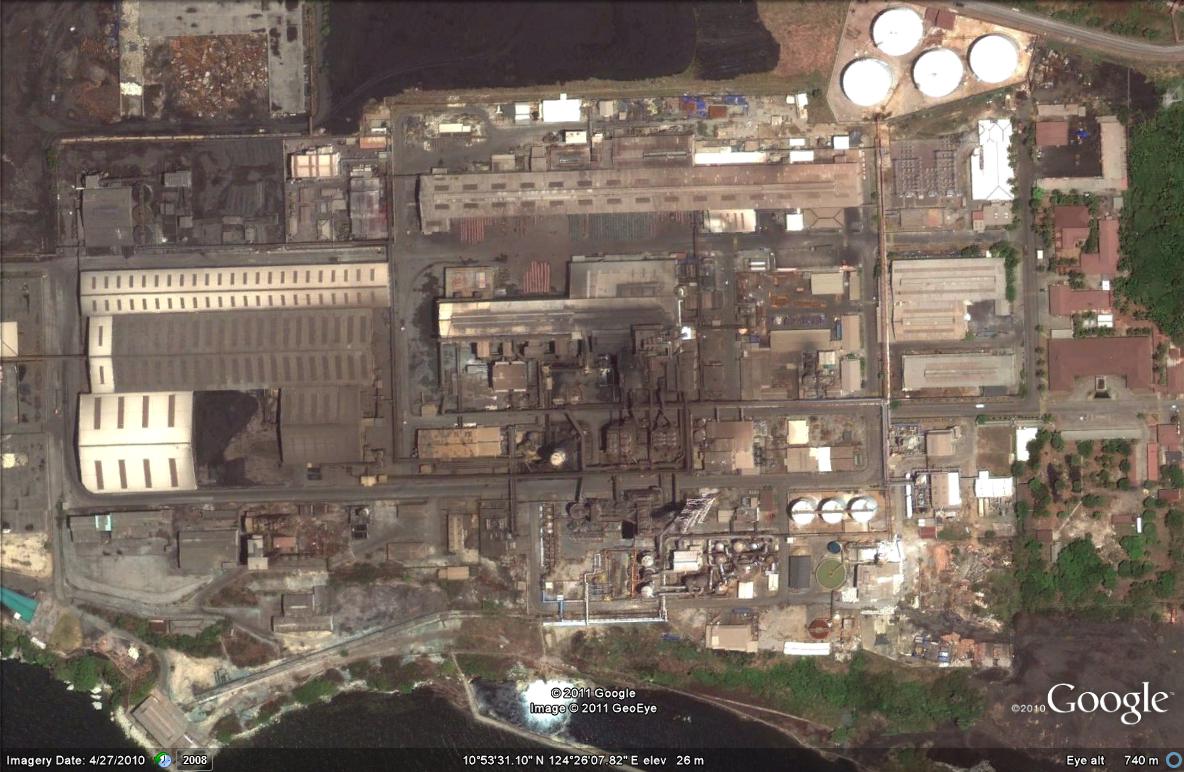
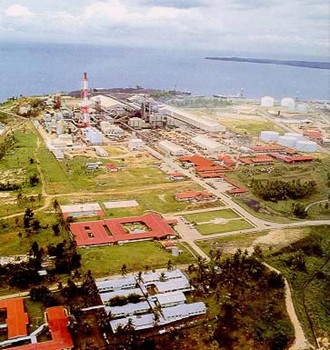
Leyte Industrial Development Estate (LIDE)
Formed in 1976, the company actively pursued the construction of the plant
in Leyte which was completed in 1983 to signal the Philippine Government's
industrialization plans for the country. PASAR's primary product is
electrolytic copper cathodes, the raw material used for manufacturing
various kinds of electric cables, telecommunication wires, copper shapes and
copper-alloy products. The PASAR Copper Cathode is registered as Grade A
Copper in the London Metal Exchange (LME) and as COMEX High Grade Copper in
the Commodity Exchange (COMEX) Division of the New York Mercantile Exchange
(NYMEX). It is also listed in the Shanghai Futures Exchange. The location of PASAR copper
smelter and refinery in Leyte in the central Philippines has resulted in
many advantages for the company and its partners. The port possesses a
deep-harbor facility which is being reconstructed to berth and handle
vessels up to 50,000 DWT. It lies in the center of the Philippine
archipelago, ready to serve the smelting needs of the country's reviving
mining industry. The complex includes pollution abatement facilities;
port and bulk handling facilities; an airstrip; a medical facility; and
housing, recreation and educational facilities for company personnel and
their dependents. The PASAR plant complex occupies 80 hectares in the
424-hectare Leyte Industrial Development Estate (LIDE). Completed in 1983 at
the cost of US$300 million with the capacity to produce 138,000 metric
tonnes of Grade A electrolytic copper cathodes annually, it was expanded in
1993 to its current production capacity of 172,500 metric tonnes per year. In June 1999, a consortium of
Philippine investors and Swiss trader, Glencore International AG, procured
90% of the Philippine Government's shareholding and its receivables from
PASAR. This acquisition was carried out as part of the country's
privatization program, thus, transforming the company into a privately-owned
corporation. Subsequently, the shares owned by the Japanese consortium
were sold to a privately-held company. Now, the capacity of the
smelter has been expanded to 720,000 mtpy of concentrates in 2006, and the
refinery will be expanded to 215,000 mtpy of cathodes by mid-2007. The
design of the plant was patterned after Japan's Tamano smelter and refinery
plant, considered as one of the world's most efficiently-run smelters. The
flash smelting process developed by Outokumpu Oy of Finland and modified by
the Mitsui Mining and Smelting Company, was adopted for more flexibility in
processing different grades of copper concentrate, high recovery of sulfur,
and reduced power and oil consumption. Copper concentrate, the basic
feedstock undergoes a smelting and refining process in which impurities are
removed and refined copper is extracted. Precious metals and other
byproducts are also recovered in the process. PASAR has expanded its
smelter capacity to 720,000 mtpy of concentrates in early 2006. In May 2007,
PASAR will complete a brownfield conversion from conventional starting sheet
electrorefining to ISA process. Refinery capacity will be increased from
172,500 mtpy to 215,000 mtpy of coppr cathodes. February 1, 2012 - It took an unexpected snag in the
operations of an important plant, to prod temporarily out-of -job workers to
try other jobs. Around 2,000 casuals and contractual workers were
affected by the closure of the Philippine Associated Smelting and Refining
Corp (PASAR) in Leyte. To help the displaced workers, the local government
of Isabel had been conducting job fairs for skilled workers like pipe
fitters and welders to help them find jobs outside the country. An
official of the local government unit (LGU) of Isabel, Leyte has expressed
concern on the stoppage of operations of the Philippine Associated Smelting
and Refining Corp. (PASAR) located inside the Leyte Industrial Development
Authority in Isabel, Leyte. It might be remembered that PASAR
management temporarily shut-down its operations when its acid plant, where
the electrostatic precipitator (EP) was located, burned down at around six
o’clock in the morning of January 2. The EP is vital to the operations of
the plant. Allan Borinaga, senior administrative assistant to Isabel
town Mayor Saturnino Medina expressed concern on the effect of the stoppage
of operations saying that the town stands to lose in income as PASAR is the
top source of income generation for the municipality. Borinaga
disclosed that with the stoppage PASAR management is seeking for a
moratorium of sales tax payment. The LGU would suffer a big lose to as much
as P 5 million every quarter from the non-payment of sales tax alone. He
also said that the income received from PASAR is used by the LGU to defray
the costs for its various programs and projects for the people. January 9, 2012 - The Philippine Associated Smelting and
Refining Corp. (Pasar), the only copper smelter and refinery in the country,
has stopped its operations after a fire damaged its acid plant located
within the Leyte Industrial Development Estate in Isabel, Leyte. But
Pasar management has assured its 800 regular employees and 1,500 service
contractors will continue to report to work and will be paid although will
be temporarily assigned to different tasks. “We foresee a challenging
time ahead due to the shutdown as we repair and rebuild the damaged portions
of the acid plant. We are not yet sure how long this will take, but we are
assessing what needs to be done in rebuilding the EP (electrostatic
precipitator), to keep the shutdown as short as possible and to restart
operating at full speed as soon as possible,” Pasar president Sias H. Els
said. Els added that Pasar is doing everything in exploring all the
possible options and actions to recover immediately. “Everyone will
therefore continue reporting for work as usual until further notice,
although perhaps with different work assignments, and everyone will get
paid. We need to use the opportunity to do housekeeping and properly clean
and do repairs where needed,” Els said. Pasar’s acid plant, where the
EP was located, was burned down in the morning of January 2. It took five
hours for fire fighters to contain the fire. The extent of the fire
was severe but no fatalities and no direct injuries were reported. Minor
burns were suffered by an employee, Orland Matuguina, who was involved in
the fire fighting operations. Fire probers initially estimated the
damage at P15 million. But according to J. Paul Tan, Pasar’s assistant
vice-president for industrial and community relations department, the damage
could reach as $1 million. “We could not immediately determine the
actual damage. Our assessment continues. The acid plant alone costs a little
over $1 million. But right now we are sending people to China and Japan to
find for replacements of the burned machineries. We need it custom-built and
that is why it will take us sometime to resume operations,” Tan said.
Tan admitted that Pasar’s operation is “not normal” and has affected the
production of electrolytic copper cathode and refined copper anode where
markets are very high in China, Korea, Taiwan, Vietnam, Thailand, Malaysia,
Indonesia and Japan. Tan said the company wants to restart operations
by February. “What happened was an integral risk of smelting. With the
full support of our shareholders, we will overcome this challenge,” Tan
said. Tan added the company could continue operating but electronic
precipitators is vital to its anti-pollution measures.
025
Owner
Philippine Associated Smelting and Refining Corporation -
PASAR

Location
Isabel, Leyte, Philippines
Background
1999 - Acquired by Glencore
Website
www.pasar.com.ph
Plant
Plant 1
Plant 2
Coordinates
10° 53'
27" N, 124° 26' 11" E
10° 53' 25.50" N, 124° 26' 12" E
Type of Plant
Metallugical
Metallurgical
Gas Source
Copper
Outokumpu Flash Furnace
Copper
Outokumpu Flash Furnace
Plant Capacity
1291 MTPD
1700 MTPD
SA/DA
3/1 DA
3/1 DA
Status
March 2025 - Operation Suspended
March 2025 - Operation Suspended
Year Built
1981
2015
Technology
Mitsui-Monsanto
China Nerin Engineering, Co., Ltd.
Contractor
Mitsui Mining & Smelting Co., Ltd.
MESCO, Inc.
China Nerin Engineering, Co., Ltd.
Remarks
WESP's renovation project executed by
Nerin - 8 WESP's, Capacity: 320,000 Nm3/h
Pictures
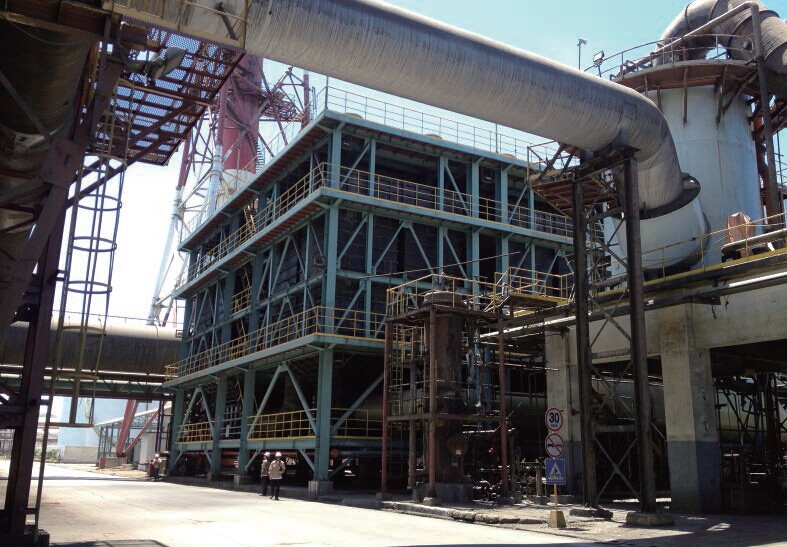
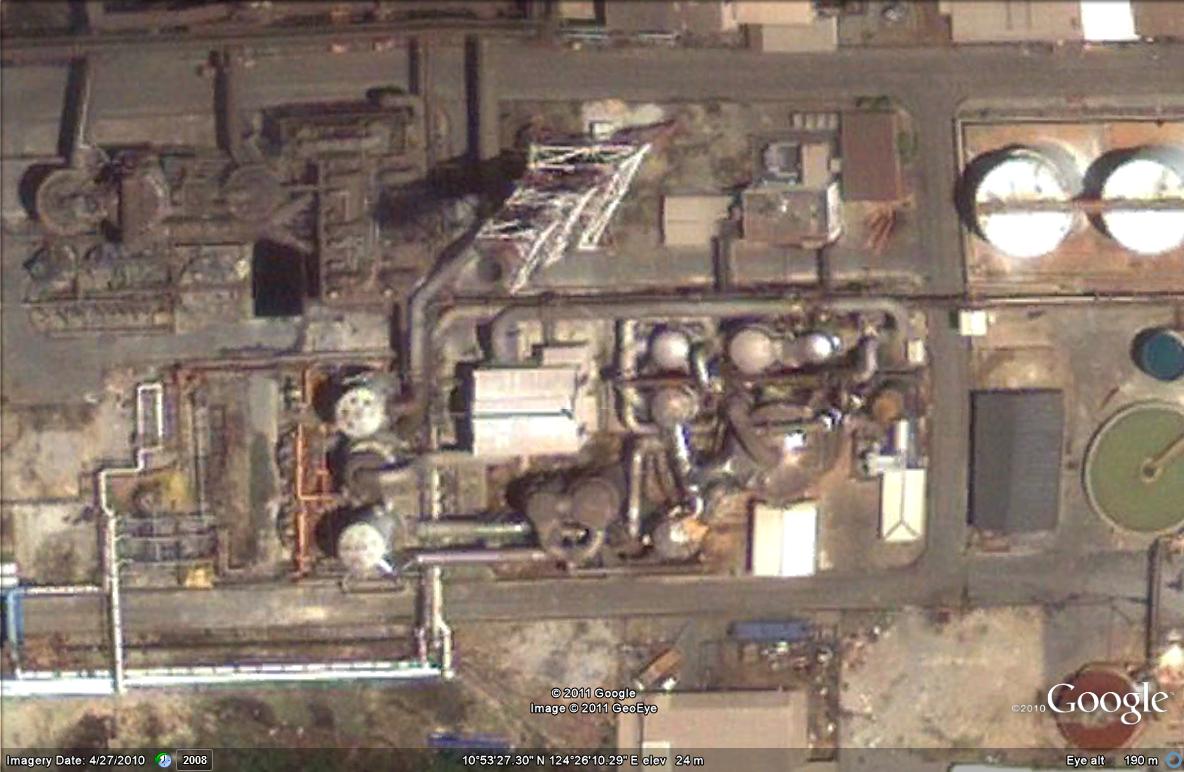
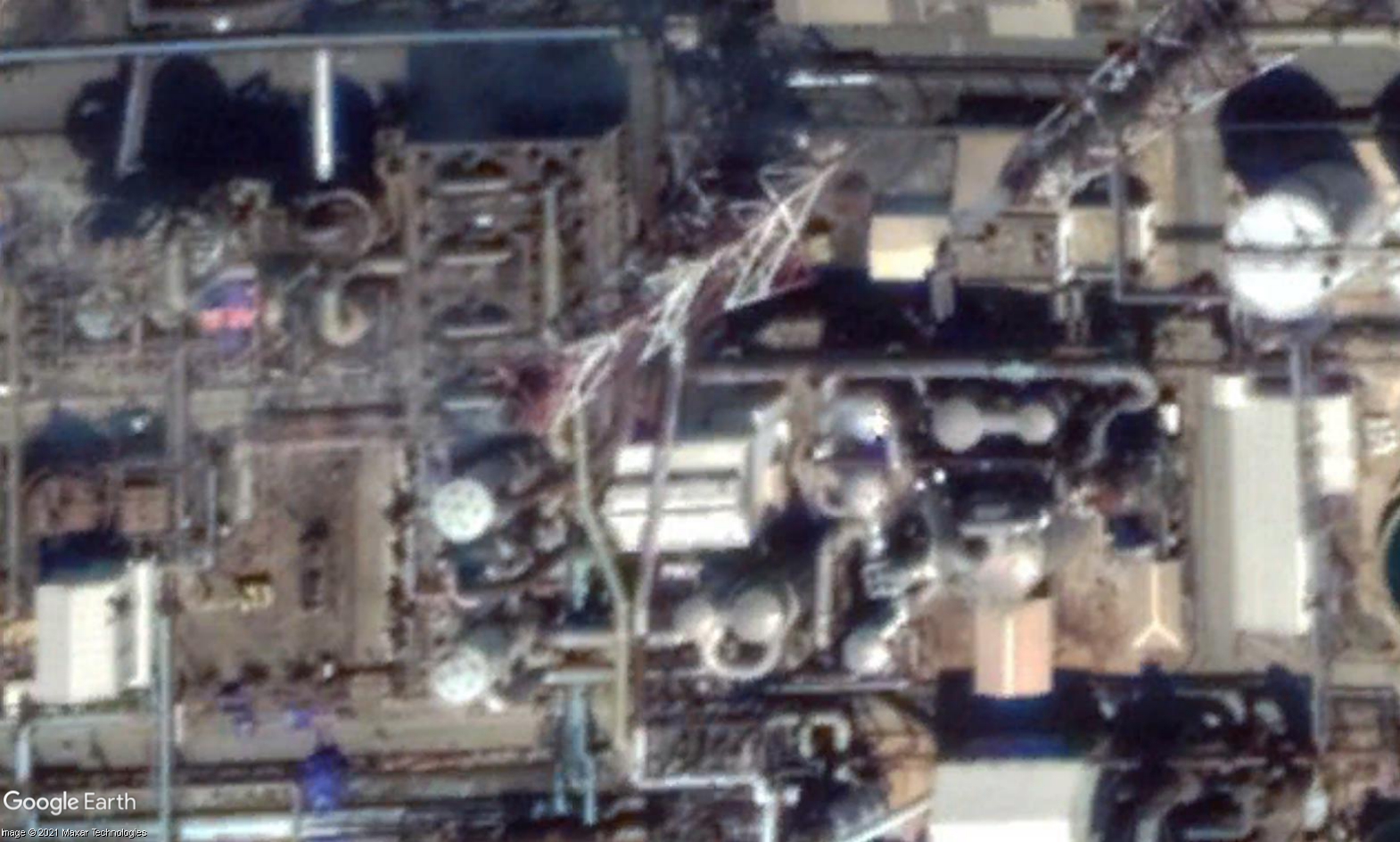
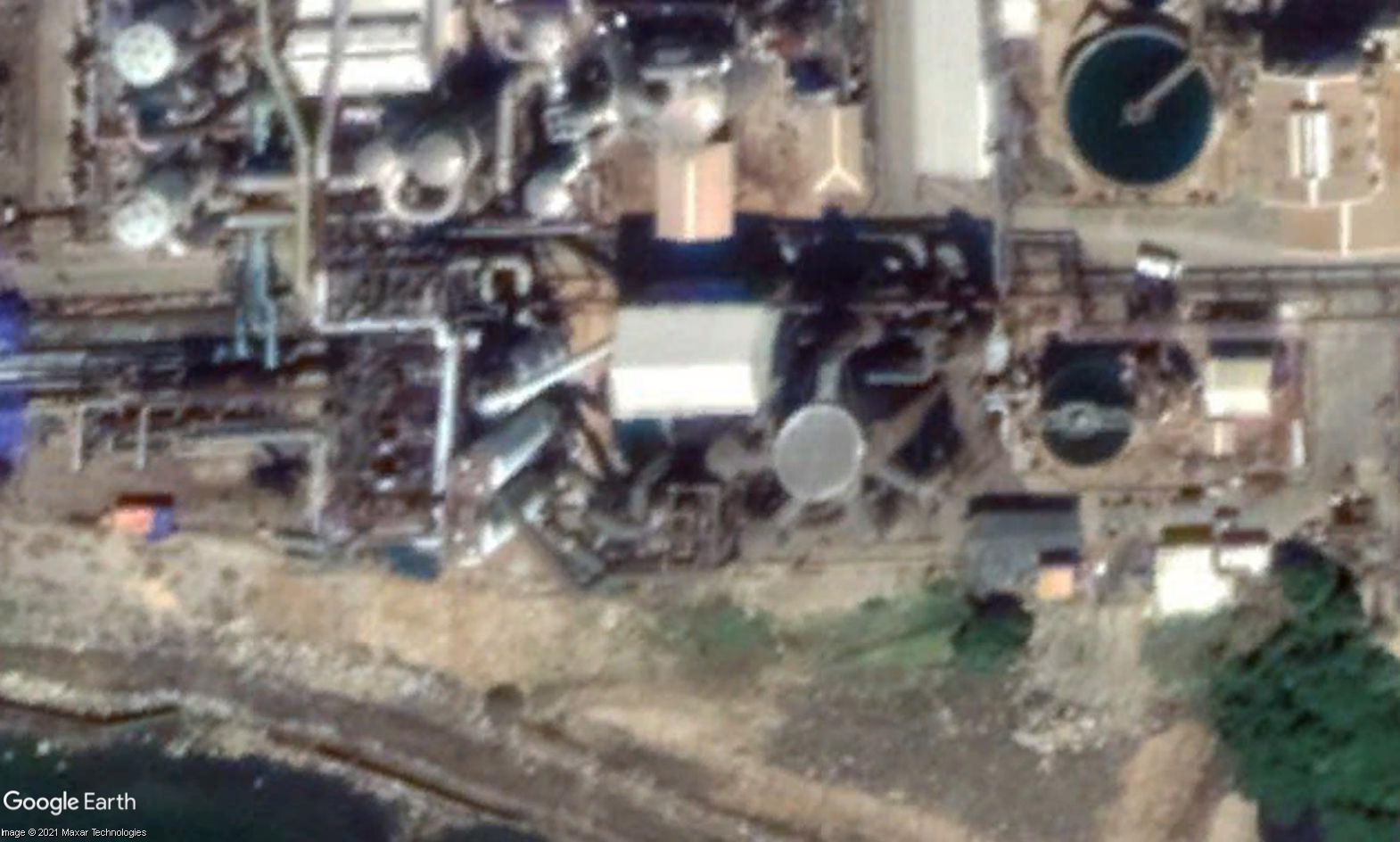
General
References
-
News
July 8, 2025 - Miner and commodities trader Glencore (LON: GLEN) is
selling its copper smelting operation in the Philippines to the Villar
family, led by real estate magnate and former senator Manuel “Manny” Villar
Jr. The asset in question, the Philippine Associated Smelting and
Refining Corp. (Pasar), has long served as a key logistics hub for Glencore.
Strategically located, it handles copper concentrate shipments from
Australia and Indonesia, and occasionally distressed cargoes bound from
South America to China. But global copper smelters, including Pasar,
have been hit hard by a steep drop in treatment and refining charges, driven
by overcapacity and limited supply of mined ore. In February, Glencore
placed Pasar on care and maintenance, part of a broader restructuring of its
global smelting operations. That overhaul includes consolidating its
Canadian copper assets in Quebec and several recycling facilities in the
United States into its global zinc smelting division. The move aims at
cutting costs and streamlining operations. The divestment marks
another step in Glencore’s sweeping review of its copper and zinc assets,
triggered by a sustained slump in profitability across the sector.
Villar, whose net worth is pegged at $17 billion by Forbes, controls
the Philippines’ largest homebuilder. His business empire spans shopping
malls, broadcast media, hardware retail and supermarkets. Bloomberg first
reported the sale, quoting people familiar to the matter, though details
including the deal’s value remain undisclosed.
February
24, 2025 - Philippine Associated Smelting and Refining Corporation
(PASAR) has announced today that it will be putting its Leyte plant site
into care and maintenance. This decision comes as part of an ongoing
evaluation of the operation and increasingly challenging market conditions.
PASAR, a Glencore managed company, has been operating in the Philippines
for over 25 years and over that time is proud to have made a significant
economic contribution to the Leyte region. The PASAR copper smelter has been
a significant part of Glencore’s operations in the region, and we are very
appreciative of our dedicated workforce at PASAR. This was not an easy
decision, but it is a necessary step in the face of current market
challenges. We understand the impact that this decision will have on our
employees, local communities, and stakeholders. PASAR is committed to
working closely with employees and local communities to provide support
during this transition to care and maintenance. The asset will be maintained
in a state of readiness whilst we continue to monitor market conditions and
consider future options and opportunities for PASAR. Local organic employees
will continue to be employed and paid until further notice. PASAR will
continue to engage with our workforce, contractors, the Philippine
Government and local community stakeholders.
January 11, 2018 - Operations at
Glencore’s Pasar copper smelter have been suspended since last week due to a
leakage in the sulfuric acid plant, Metal Bulletin has learned.
www.metalbulletin.com
August 27, 2017 - The Philippine Associated Smelting and Refining
Corporation (Pasar) is due for a 15-day shutdown starting September 12, as
it allegedly received several complaints regarding the foul odor emitting
from its processing plant inside the Leyte Industrial Development Estate
(Lide) in Isabel, Leyte. Lawyer Noli del Rosario, senior vice president for
Legal and Corporate Affairs of Pasar, said the shutdown will give way to a
“search and explore” activity to find any possible leaks in the plant’s
system and equipment. Del Rosario said the Pasar’s anti-pollution protocols
are “still in place and working," as he vowed to look into the complaints
and address them. People living near the area have been complaining of the
stench, believed to be sulfur dioxide discharge, coming from Pasar's plant,
saying this poses environmental hazard to the populace. Also, about a
hundred workers of its closest neighbor, the Philippine Phospate Fertilizer
Corporation (Philpos), said that as per in-house monitoring, the ambient air
surrounding Pasar's plant “has strong content of sulfur dioxide” and is
apparently “beyond allowable level.” Philphos and affected Lide officials
have filed a series of complaints before the regional Environment Management
Bureau of the Department of Environment and Natural Resources (DENR),
Department of Health, and local government of Isabel for a swift action on
the problems caused by the harmful chemical coming from the plant. Asked for
comment, Del Rosario said Pasar is committed to complying with all DENR
standards and regulations on emissions, including those related to sulfur
dioxide (SO2). “In the last month, some quarters have complained of SO2
emissions coming from Pasar alleging that these are of 'mild,' 'strong' or
'very strong' intensity. These complaints are couched in qualitative and
subjective terms incapable of precise measurement,” Del Rosario said. He
added: “Pasar has in place a Continuous Emissions Monitoring System or CEMS
which records SO2 emissions in real time. With regard to the qualitative
complaints raised, Pasar has not exceeded the TWA (Time Weighted Average)
taken over any eight hour period.” The DENR, through the Clean Air Act of
the Philippines, has set 0.07 ppm allowable level for sulfur dioxide
discharge. But observers in the area said the initial ambient air readings
at the area go as high as 6 ppm. Health experts said sulfur dioxide is a
non-flammable colorless gas that is heavier than oxygen. It has strong and
pungent odor that causes irritation to the eyes, conjunctivitis and corneal
burns. Long exposure can cause irritation to the mucous membrane of the
lungs and respiratory tract, bronchospasm, pulmonary edema, pneumonitis and
acute airway obstruction. It can aggravate chronic pulmonary diseases such
as asthma. Moderate to high exposure can cause skin irritation, nausea,
vomiting, and abdominal pain. Those most at risk of developing problems, if
they are exposed to sulfur dioxide, are people with asthma or similar
conditions. Glencore, one of the world’s largest diversified commodities
trader, owns 78 percent of Pasar. It acquired Pasar from the Philippine
government in 1999. The Pasar incident contradicted the environmental policy
of Glencore, which assures international and industry-specific environmental
standards and requires their assets to undertake detailed risk assessment
reviews and identify appropriate mitigation actions. “Our assets continually
review their waste management procedures and identify opportunities for
improvement, to minimize the impact of the waste we produce,” according to
Glencore’s Waste Management Policy.
www.sunstar.com.ph
January 8, 2014 - Glencore Xstrata’s Pasar copper smelter in the
Philippines plans to restart as soon as January 15, after being damaged by
Typhoon Haiyan in November, two sources said on Wednesday. The Pasar
plant, majority owned by Glencore, is in Leyte province, southeast of
Manila. It has been shut since around Nov. 7. “Pasar have now told
mine suppliers (to expect a) smelter restart Jan 15,” a trader in Europe
said. Another industry source confirmed plans to reopen from mid
January. Pasar produced 98,000 tonnes of copper in 2012. Analysts
estimate the nine week shut down will lead to a loss of around 15,000-30,000
tonnes of refined copper. Pasar is expected to produce around 155,000 tonnes
of refined copper in 2013.
November 11, 2013 - Commodities
titan Glencore Xstrata PLC said Monday it has suffered heavy
structural damage at Pasar, the Philippines' sole copper smelter, after
supertyphoon Haiyan ravaged the central part of Philippines at the
weekend."Initial assessments confirm that Pasar has sustained heavy
structural damage to its operations," a company spokesman said in an
e-mailed statement. "Preliminary estimates put a return to normal operations
of at least four to six weeks," he added.Glencore Xstrata began to shut down
the copper smelter on Thursday, a day before the supertyphoon, known locally
as Yolanda, hit the country. The typhoon was the strongest storm to make
landfall in the Philippines since 1991 and has resulted in an official death
toll of 255 although the grim hunt for bodies is expected to result in
substantially higher numbers. The Red Cross said it had ordered for 10,000
body bags."Our thoughts are with those employees and their families who have
been impacted by Yolanda," said the Glencore Xstrata spokesman. "Pasar will
offer all necessary support where we can," he added.Pasar is 78% owned by
Glencore Xstrata, while the remaining 22% is owned by local investors.
Copper production at Pasar fell 40% in 2012 due to a fire that halted
production for about six months. Pasar has a copper cathode production
capacity of 215,000 metric tons a year.
August 19, 2013 -
Outotec has been awarded a contract by
Philippine Associated Smelting and Refining Company (PASAR) for the
modernization of PASAR's copper smelter in the Philippines. The contract
value exceeds EUR 12 million and it has been booked in Outotec's third
quarter order intake. PASAR's copper smelter is based on Outotec® Flash
Smelting technology. The original Outotec® Flash Smelting license dates all
the way back to 1977. Over the years PASAR has regularly upgraded the
smelter together with Outotec.Outotec's scope of modernization work this
time includes equipment deliveries such as modern proprietary concentrate
feeding system and burner, process advisor, furnace cooling system and anode
casting shop including the supervision services. "PASAR and Outotec
long-term relationship is a good example how the smelting technology can
evolve by working together. By renovating and upgrading the older generation
smelting plants with latest technology developments and our rebuild
services, our customers can meet the increasing efficiency and environmental
requirements and ensure their competitiveness far in the future", notes
Robin Lindahl, head of Outotec's Metals, Energy & Water businesses.
MTPD - Metric Tonne per Day
STPD - Short Ton per Day
MTPA - Metric Tonne per Annum STPA - Short Ton per
Annum
SA - Single Absorption
DA - Double Absorption
* Coordinates can be used to
locate plant on Google Earth

